
When moving to a new house in Southwest Florida, many families prefer to take their pets with them. After all, pets form emotional bonds with their owners, as dogs and cats are loyal companions. Unfortunately, pets have no understanding of a new move. All they are aware of is they are losing their house because their owners are packing up their entire home. Moving can spell disruption to their once familiar and comforting environment. This situation can drive a pet to develop self-destructive behavior due to the home environment changes.
Moving with pets takes a lot of planning in order to avoid long term psychological effects on them, and for new moves to Southwest Florida, you can count on The Moving Mavericks as we have bracelets of experience in moving people with compassion. Call The Moving Mavericks at (239) 722 0000 for a move that is relaxed and considerate of your pets.
1. What to Do Before the Move
Merely minimizing the amount of time that your pet will experience the change throughout the moving process will help keep them stress free. They will be less stressed, as there are plenty of emotional and environmental changes happening throughout the process, and their sensitivity will make them pick up on that.
Going to the Vet: Moving is busy, and most pet owners forget to see their vet one final time. Before moving, get your pet their rest and make sure their vaccinations and records are up to date. If you need to see a vet after moving, ask the vet for a recommendation preemptively, as the move will make it needlessly hard.
Change Tags and Microchips: Update your pet’s tags and microchips as the move gets closer. This info is crucial as it will help you find them should they get lost during the chaos of the move.
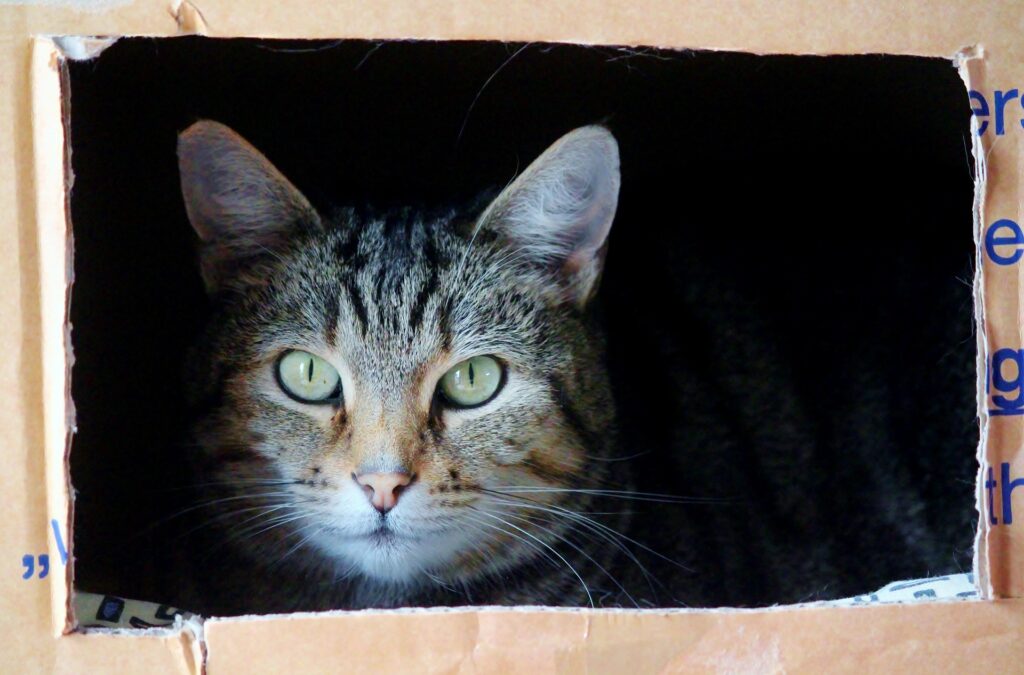
Getting Your Pet Used To The Crate: Getting your pet used to a travel crate can take time. To start, leave it open in the living room with your pet’s favorite swaddle or some treats inside. You want to crate to be viewed as a place they can go to feel cozy, not as a place they have to go to feel stressed.
Taking Your Pet On Practice Runs: Before the big day, take your pet in the car for practice runs to get them used to the motions. These short trips will help ease the travel anxiety, give you a chance to observe how they do in new places, and help them get used to the new environment.
2- Don’t Stress Packing
As you begin to pack, your pet will see the activity and start to feel the energy shift. The final area you want to pack is where your pet sleeps and eats.
Your pet’s favorite toys or items can be triggering. Depending on the animal, they may show signs of anxiety as they start to notice their things getting packed away. During this time, try to keep their walking and feeding schedule consistent.
It’s a good idea to keep a pet essentials kit separate from your other belongings. At The Moving Mavericks, we suggest including a week’s worth of food, a couple of water bowls, a leash, waste bags, any grooming items, and medications that your pets may require. Additionally, including a few toys and a blanket that has your scent will comfort your pets during the move.
3. Moving Day Safety Strategies
Moving day is a hazardous day for your animals. The constant opening and closing of doors and the movers carrying your things creates an opportunity for your pet to escape.
- Safe Room: Choose a quiet room (a bathroom or an extra bedroom typically works best) and put your pet in there with their bed, a bowl of water, and some toys. Then, put a big sign on the door that reads “PET INSIDE – DO NOT OPEN.”
- Pet Sitter: Ask a friend, family member, or a pet daycare to take your pet for the day. This will keep your pet away from the chaos of the move.
- Professional Care: When our Moving Mavericks team arrives at your home in Southwest Florida, tell the crew leader that you are moving with pets. Our professionals are trained to pay attention to the occupants of your home, but to keep everyone safe, it is best to keep pets secured. Call us at (239) 722-0000 to address any concerns you may have about your pets on the day of the move.
4. Traveling to the New Home
The drive can be stressful, whether you are moving to a new town in Florida or a different state.
Never leave your pet in a parked car, especially with the Southwest Florida heat. A car can get dangerously hot in a matter of minutes.
Keep your pet secured: Use a pet seatbelt, harness, or a crate to keep them safe. This will prevent them from jumping around, which can distract the driver.
If the drive is long, plan for breaks in safe, grassy areas so your pet can go to the bathroom. Bring bottled water and a small travel bowl so your pets can stay hydrated.
Establishing a safe space: Let your pet hear your voice at a low volume while keeping the radio low. Having a toy or a blanket that smells like them can help them feel safe.
Settling In: The First 48 Hours
It is very tempting to let your pet explore the new home immediately as soon as you arrive. You should, however, let them explore the house gradually.
- Start with one room: Set up a room with your pet’s favorite belongings and let them get comfortable with the new smells.
- Check the perimeter: Before letting a dog off the leash, always check your yard. Look for gaps in the fence or poisonous plants.
- Maintain routine: To create a sense of stability, stick to the feeding, walking and playtime schedule.
- Extra attention: Pet them, give them treats, and relax so your pets know they can trust you.
6. Handling Specialized Pets
Moving is not only about the cats and dogs. Many families also have birds, lizards, fish, or other exotic pets.
Aquariums: If you can, transport fish in sealed containers with oxygen. Keep the container at a steady temperature and make sure the tank is secured during the move.
Birds: Keep them in their standard living cage with their usual food and water. If you cover the cage you may lessen the stress and anxiety during the move.
Reptiles: Secure the containers using appropriate temperature insulation and ensure adequate ventilation.
For other types of exotic animals you will want to speak with either a veterinarian or a pet relocation service. Moving Mavericks can help you with some of the logistics of moving exotic pets.
7. Why Southwest Florida Pet Owners Trust Moving Mavericks
In Southwest Florida, pets are more than animals, they are family. Moving Mavericks understands that, and that’s why we are the most courteous relocating service in the area. We don’t just move stuff, we move people.
Selecting Moving Mavericks means you are choosing a team that:
- Protects Your Space: We finish our jobs quietly and in a timely manner.
- Values Safety: We understand the importance of keeping doors and gates closed when necessary.
- Gives you Peace of Mind: We are licensed and insured. You can tend to your pet while we are handling the heavy stuff.
For other relocation-related questions, such as having large aquariums, exotic pets, or multiple animals, call (239) 722-0000. We have experience handling a variety of relocation needs.
Frequently Asked Questions (FAQ)
Q1: What are some tips to make it easier for my cat to settle in to a new home?
Cats are naturally territorial. For the first few days keep your cat in one room with their food and litter box. Once they begin to feel more secure you can allow them to explore other rooms.
Q2: Should I consider sedating my pet for the move?
This should only be done with a veterinarian’s recommendation. Most pets do just fine without sedation as long as the environment is calm and they are in a secure crate.
Q3: My dog tends to get bad anxiety. What should I do?
Bringing along a “Thundershirt,” calming pheromone sprays, or playing some gentle music can be helpful. It’s important for you to stay calm as well so your dog can feel relaxed too.
Q4: Do moving companies accept moving with pets?
For safety and liability reasons, it is not possible for moving companies (including Moving Mavericks) to transport live animals in the moving truck. Pets should always be transported in your vehicle or a pet transport service.
Q5: What preparations can I make to help my pets adjust to the move on a mental level?
Interact with your pets in the weeks before the move by engaging in activities such as dancing, walking, and petting them. Keeping them active will help lower their anxiety and create a positive connotation with this new change. Keeping pets engaged is a great way to alleviate stress. Positive Associations with Change: Mental Stimulation During a Move:
During the preparation and packing stages, it’s important to provide your pets with mental stimulation. There are many products on the market for dogs and cats that help to keep them distracted. Puzzle feeders, chew toys, and other types of toys are great for these purposes. For birds, you can reduce anxiety by leaving their favorite perch accessible or playing soft music. Even a few minutes of interactive play with them each day can help reduce anxiety as the move approaches.
Desensitization:
Start desensitizing your pets to moving-related items such as packing tape, boxes, and luggage. Reward them with treats or praise for staying calm. This will create positive associations and will help them to avoid fear reactions to the moving items. You can also create a practice move by changing the layout of your house with boxes and furniture to help them acclimate to the new environment. This is particularly good for pets that are more anxious.
Considerations About Temperature and Hydration:
Remember that pets can be sensitive to very hot or cold temperatures. During the move, make sure not to leave your pets in
Gradual Desensitization: Introduce your pet to moving-related items gradually. Let them sniff suitcases, boxes, and packing tape while rewarding calm behavior. This creates positive associations and prevents fear-based reactions. For pets that are particularly nervous, consider setting up a “practice move” where you temporarily rearrange furniture or boxes to help them get accustomed to change.
Temperature and Hydration Considerations: Pets are sensitive to extreme temperatures. During the move, avoid leaving them in hot or cold areas for long periods. Make sure water is available at all times, especially during long car rides. If you have multiple pets, ensure each has enough space to move, stretch, and access water.
Health Monitoring During Transition: Observe pets for signs of stress such as panting, excessive meowing, hiding, or refusing food. If you notice unusual behavior, provide extra reassurance and, if necessary, consult a veterinarian. Keeping a first-aid kit and any prescription medications accessible is essential for immediate care.
Settling-in Enhancements: After moving in, maintain a familiar environment by keeping feeding stations, beds, and toys in the same arrangement as before. Introduce new areas gradually, one room at a time, and supervise outdoor access closely. Reward calm exploration with treats and praise to reinforce positive behavior.
Involving Children and Family Members: If children are part of the household, involve them in the move in pet-safe ways. Assign simple tasks like refilling water bowls or carrying toys. This helps children feel included and teaches them how to care for pets during a transition.
Professional Support Beyond Moving Day: Consider consulting pet behaviorists or trainers if your pet exhibits severe anxiety after the move. Sometimes, a short series of training sessions or enrichment plans can help pets fully adjust to their new surroundings and reduce long-term stress.
Moving with pets requires careful planning, patience, and attention to detail. From pre-move preparation to settling in the first 48 hours, each step plays a role in keeping your pets calm, safe, and comfortable. By staying organized, maintaining routines, and hiring a professional team like The Moving Mavericks, you can ensure a smooth transition for every member of your household.
Make your next move a “paws-itive” experience! Call Moving Mavericks today at (239) 722-0000 for your free moving quote.